
Favorite Products for Siding Service and Maintenance
Identify must-have items for siding repairs, upgrades, and routine upkeep to ensure lasting protection.
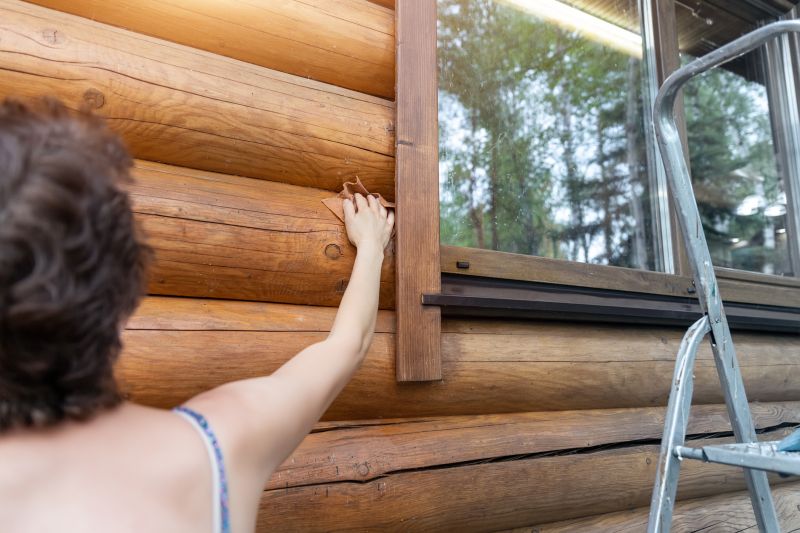 In Sevierville, Tennessee, maintaining the exterior of a property often involves selecting the right products for siding service. Proper siding not only enhances curb appeal but also provides essential protection against the elements. Whether you're undertaking a renovation or routine maintenance, choosing suitable siding materials and accessories is crucial for achieving durable and visually appealing results. From traditional materials like vinyl and wood to modern options such as fiber cement and composite panels, there is a wide array of products designed to meet various aesthetic preferences and functional needs.
Top Overall Option
Fiber Cement Siding
Fiber cement siding is a versatile and durable material that offers a balance of aesthetic appeal and resilience. It is resistant to pests, rot, and weather-related damage, making it suitable for various climates. Its ability to mimic traditional wood or stone finishes allows for customization, while its low maintenance requirements can be appealing for property owners seeking long-lasting solutions.
Types of Products For Siding Service
Vinyl Siding
A popular and cost-effective option that is available in numerous colors and styles, offering easy installation and low maintenance.
Wood Siding
Provides a classic look with natural beauty, though it may require regular sealing or staining for protection.
Fiber Cement Panels
Known for durability and versatility, these panels can replicate the appearance of wood, stucco, or stone.
Aluminum Siding
Lightweight and resistant to rust, aluminum siding is suitable for various architectural styles.
Engineered Wood Siding
Combines the aesthetic of traditional wood with enhanced durability and resistance to pests and moisture.
Stucco
A cement-based exterior finish that offers a textured appearance and good weather resistance.
PVC Siding
A plastic-based option that is lightweight, easy to install, and resistant to moisture and pests.
Metal Siding
Includes options like steel or zinc, providing a modern look with excellent durability.
Composite Siding
Made from a mixture of materials, offering a range of styles with enhanced resistance to the elements.
Brick Veneer
Provides the appearance of traditional brick with lighter weight and easier installation.
Stone Veneer
Offers a natural stone look, adding texture and character to exterior walls.
Insulated Siding
Includes foam-backed panels that improve energy efficiency while providing a finished look.
Popular Choices
Widely used for its affordability and variety of styles, making it a common choice for many homeowners.
Favored for its durability and ability to mimic traditional materials, suitable for diverse architectural styles.
Chosen for its timeless appeal, especially in historic or rustic home designs.
Popular for combining aesthetic appeal with enhanced resistance and lower maintenance.
Increasing in popularity for modern and industrial-style exteriors.
Often selected for its textured finish and durability in various climates.
Known for its ease of installation and resistance to moisture, making it a practical choice.
A durable and lightweight option with a sleek appearance.
Gaining popularity for its versatility and resistance to common siding issues.
When considering siding products, it is important to evaluate factors such as weather resistance, ease of installation, maintenance requirements, and overall longevity. The right products can simplify installation processes and reduce long-term upkeep, making them valuable choices for both DIY enthusiasts and professional contractors. Additionally, selecting compatible accessories like primers, sealants, and cleaning solutions can significantly extend the lifespan of siding installations.
In the context of Sevierville, TN, where seasonal weather conditions can vary, selecting products that withstand humidity, temperature fluctuations, and precipitation is especially important. Quality siding products can help ensure that your property remains protected and attractive over time. Consulting with local suppliers and experts can provide insights into the most suitable options for your specific project needs, ensuring a successful siding upgrade or repair.
Key Buying Considerations
- Climate suitability: Choose products that can withstand local weather conditions such as humidity, rain, and temperature changes.
- Material durability: Consider the longevity and resistance to pests, rot, and corrosion.
- Maintenance requirements: Evaluate how much upkeep is needed to keep the siding looking and functioning well.
- Aesthetic options: Select materials and finishes that complement your property's architectural style.
- Ease of installation: Determine whether the product is suitable for DIY installation or requires professional help.
- Cost and budget: Balance initial costs with long-term durability and maintenance expenses.
- Energy efficiency: Some siding options include insulation features that can improve thermal performance.
- Compatibility with existing structures: Ensure the new siding integrates well with existing components and accessories.
- Environmental resistance: Look for products resistant to mold, mildew, and UV damage.
- Availability of accessories: Consider necessary primers, sealants, and cleaning products for installation and upkeep.
- Local building codes: Verify that selected products comply with regional regulations and standards.
- Warranty and support: Check for manufacturer warranties and available customer service.
- Environmental conditions: For areas prone to high winds or storms, select products tested for such conditions.
- Aesthetic longevity: Choose materials that maintain their appearance over time without frequent replacements.
- Installation complexity: Assess the skill level required for installation to avoid costly mistakes.